Being accused of failing to provide a specimen for analysis can be extremely stressful. Many people assume that refusing or failing to provide a breath, blood or urine sample automatically means they will be convicted. However, these cases are often far more complicated than they first appear.
There are a number of potential defences available, particularly where there is a “reasonable excuse” for failing to provide. These cases are highly fact-sensitive and often turn on the detail of what happened at the police station.
What Is “Failing to Provide a Specimen”?
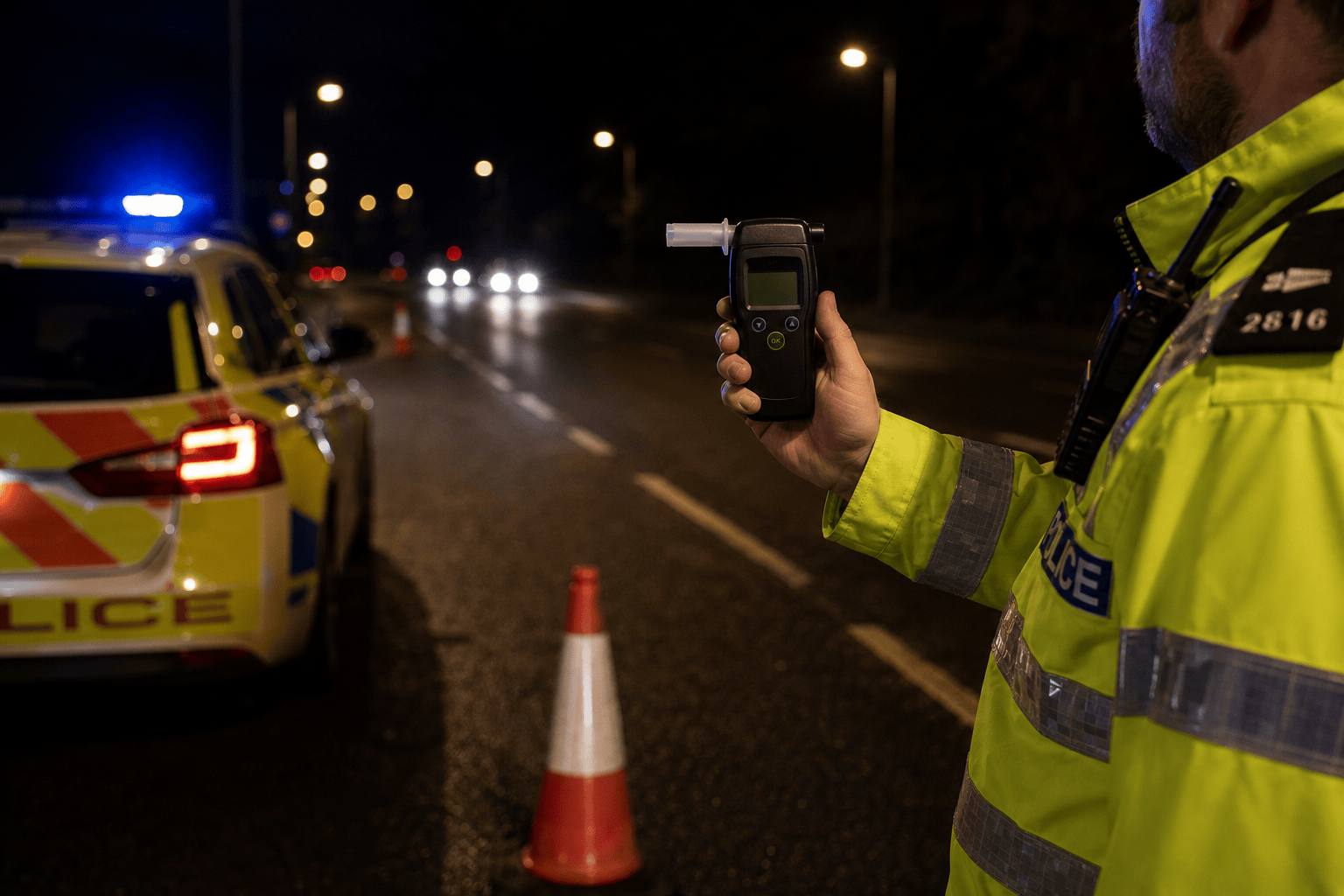
The offence usually arises when the police require a driver to provide an evidential sample at the police station. This includes samples of breath, blood or urine. If a person refuses or fails to provide the required specimen, they may be charged with failing to provide a specimen for analysis.
This offence is treated very seriously by the courts because the prosecution often argue that a refusal prevented the police from obtaining evidence of drink or drug driving.

What Does the Prosecution Have to Prove?
The prosecution must prove:
- That a lawful requirement for a specimen was made
- That the statutory warning was properly given
- That the defendant failed to provide the specimen
However, even where this can be proven, a person may still have a defence if they had a reasonable excuse.
What Is a “Reasonable Excuse”?
This is one of the most important aspects of these cases. A person is not guilty if they had a reasonable excuse for failing to provide the specimen. If you look at the full wording on your charge sheet, you will see the full wording is “failure to provide a specimen for analysis without reasonable excuse”.
Reasonable Excuse = Defence
These cases are highly fact-specific and proper preparation is essential.
Examples of Reasonable Excuse Defences
Mental Health Conditions
Symptoms of mental health conditions can sometimes affect a person’s ability to:
- Understand the statutory warning
- Physically provide a sample of breath
When at the police station, many sufferers of mental health issue experience heightened symptoms. This can lead to anxiety/panic attacks that prevent that person from providing a sample.
Those with mental health conditions are often classified as vulnerable adults under the Police and Criminal Evidence Act (PACE). The police will often overlook this and fail to take certain steps, such as providing the suspect with an appropriate adult.
Needle Phobia
A fear of needles can also amount to a reasonable excuse in some circumstances. This commonly arises in drug driving investigations where the police request a blood sample.
A genuine phobia may cause:
- Panic attacks
- Extreme distress
- Physical inability to comply
However, simply saying “I do not like needles” will usually not be enough. It is important to gather some other evidence to establish an evidential basis. In many cases, the best way to do this is to instruct an expert. Specialist solicitors will often have working relationships with experts that than prepare a report for you.
Other Medical Conditions That May Amount to a Reasonable Excuse
There are many medical conditions that can affect a person’s ability to provide a specimen. Examples may include:
- Asthma
- COPD
- Breathing difficulties
- Neurological conditions
- Physical disabilities
- Injuries
The key issue is often whether the failure was deliberate or genuinely unavoidable.
The Importance of the Statutory Warning
One of the most important aspects of these cases is the statutory warning given by the police. This is part of the MGDD procedure at the police station. This procedure involves an officer competing a lengthy booklet with you and asking a series of questions.
During the MGDD procedure, the police must properly explain what is required and the consequences of failing to provide a specimen. If the warning was unclear, misunderstood or not given at all, this can become an important defence issue.

Why Police Station Evidence Matters
Many failing to provide cases are won or lost based on:
- Custody CCTV footage
- Body worn video
- The custody record
- Statements of police officers
- Notes made by healthcare professionals
At Verida Legal, we carefully review all available evidence to identify any defences available to you. Sometimes the key defence point is not obvious at first glance and only becomes apparent after detailed analysis.
Why You Should Instruct a Specialist Solicitor Early
These cases are far more technical than many people realise. Early legal advice allows solicitors to:
- Preserve important evidence
- Request custody footage
- Obtain medical records
- Advise on defence strategy
- Identify weaknesses in the prosecution case
Unfortunately, many people seek legal advice too late, after crucial evidence has already been lost or deleted.
Click here to see our dedicated Failure to Provide a Specimen page.

The Role of the Crown Prosecution Service (CPS)
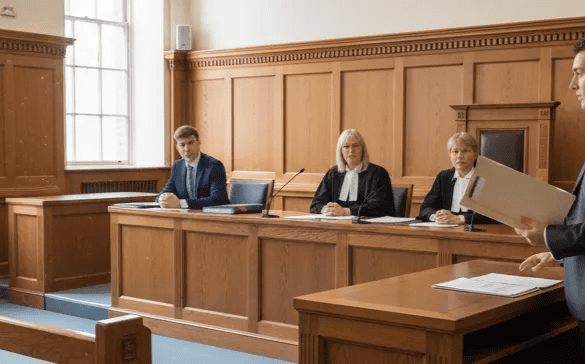
The CPS is responsible for proving the charge in court. Their role involves:
- Evaluating the strength of the evidence.
- Deciding whether the prosecution is in the public interest.
- Considering whether there is a realistic prospect of achieving a conviction.
- Presenting evidence to the court.
If you build a strong defence, the CPS is also able to withdraw the charge against you. A solicitor can make persuasive representations to the CPS not to proceed any further.
What We Do If You Are Charged
If the police do decide to charge you, having a solicitor involved immediately ensures that you are fully prepared.
Once charged, you will typically receive a court date within 2-3 weeks. Before the hearing we can obtain some of the evidence against you. This gives us an opportunity to identify any defences available to you. Our solicitors are trained to identify the best approach from carefully reviewing the evidence.

Can These Cases Be Defended Successfully?
Yes.
Although failing to provide is a serious offence, these allegations can often be defended successfully where:
- There is a genuine reasonable excuse
- Police procedures were not followed correctly
- The statutory warning was inadequate
- Medical evidence supports the defence
Every case depends on its own facts and careful preparation is essential.
Get Expert Representation from Verida Legal
If you are charged with failing to provide a specimen:
Do not go to court unprepared.
At Verida Legal, we provide:
- Clear advice from the outset
- Strategic case preparation
- Specialist court representation
Speak to our solicitors directly today for immediate support and free initial advice. Call 01942 364493 or click the link below to request a call back!