
NEW Roadside Evidential Breath Tests: What Do They Mean For Drivers?

Jack Cooper • July 10, 2026

Share this article

Merseyside Police Introduce Evidential Roadside Breath Tests: What Drivers Need to Know


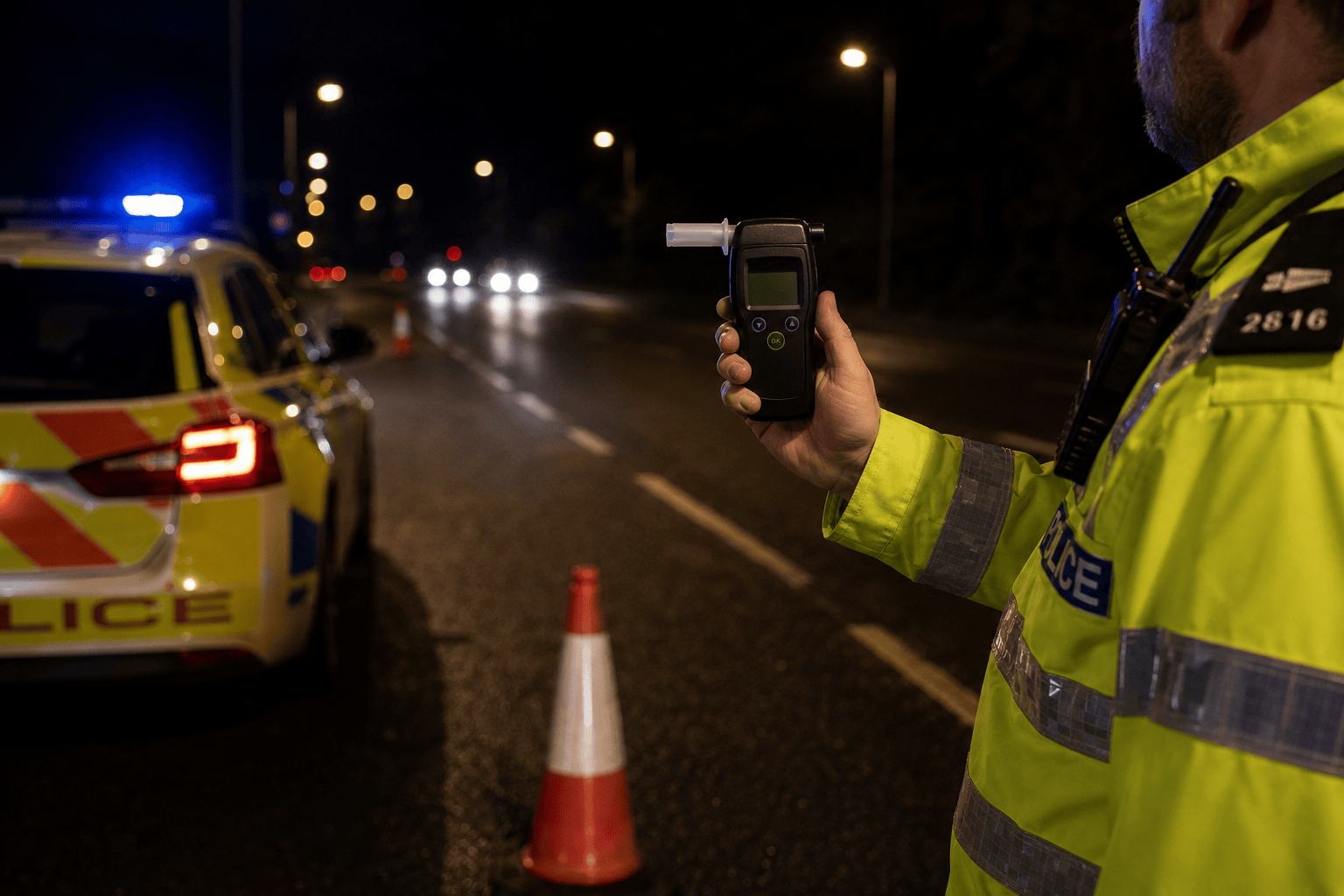
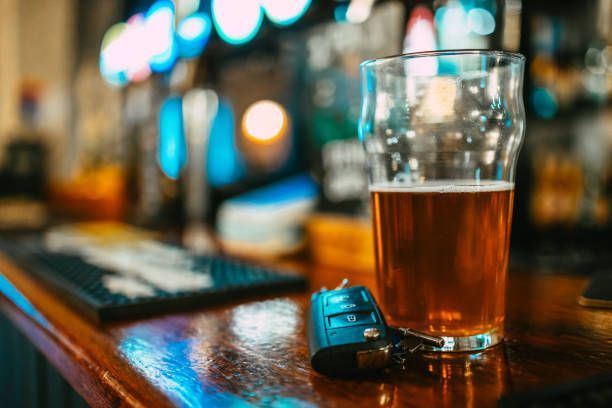
Merseyside Police has become the first police force in the UK to introduce evidential roadside breath testing technology. The change could significantly alter the way drink driving investigations are conducted and may have far-reaching consequences for drivers, police resources and the criminal justice system.


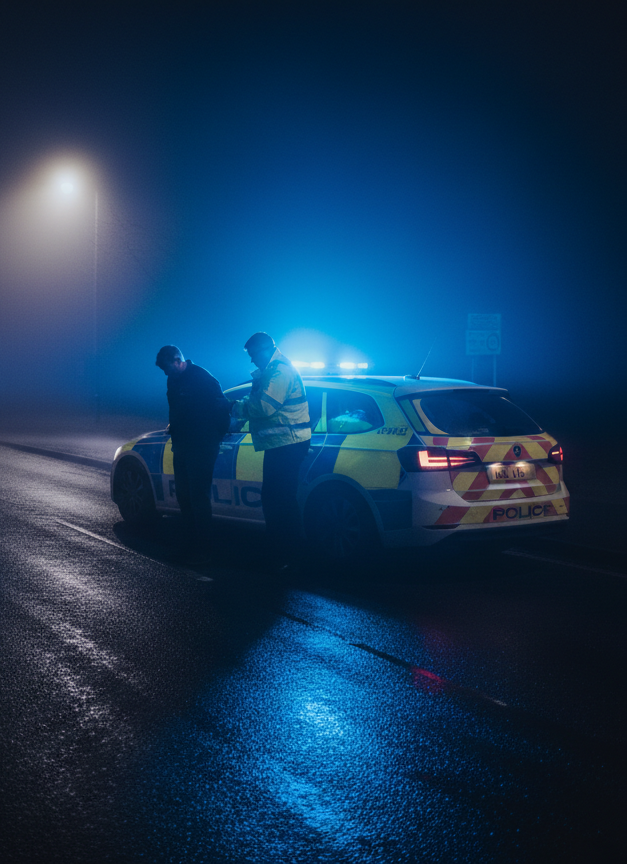
For many years, drivers who failed a roadside breath test were arrested and taken to a police station to provide an evidential specimen of breath. The new technology allows officers, in certain circumstances, to obtain an evidential breath sample at the roadside, potentially removing the need for a journey to custody before a charge decision is made.


While the new system promises greater efficiency, it also raises important legal and practical questions about procedure, evidence and how drink driving cases will be investigated in the future.


How Did Drink Driving Investigations Work Previously?


Until now, the procedure in England and Wales has generally followed these stages:


  • A driver is stopped by police.
  • An officer requires a preliminary roadside breath test under section 6 of the Road Traffic Act 1988.
  • If that screening test indicates the driver is over the legal alcohol limit (or the officer has other grounds to suspect an offence), the driver is arrested.
  • The driver is taken to a police station.
  • An evidential breath specimen is obtained using an approved evidential breath testing machine.
  • If the evidential reading exceeds the legal limit, the driver is usually charged with drink driving.


The important distinction was that the roadside device was only a screening tool. The evidence used in court came from the specimen provided at the police station.


What Has Changed?


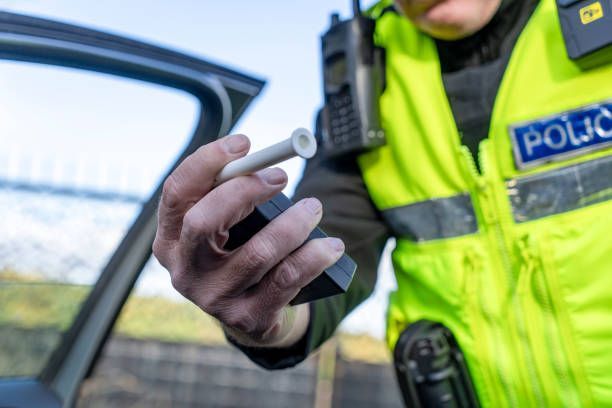
Merseyside Police has now deployed a Home Office-approved roadside evidential breath testing device.

Unlike traditional roadside breathalysers, these devices are capable of producing evidence that can potentially be relied upon in criminal proceedings without requiring the driver to provide a further evidential breath specimen at the police station in every case. The initiative is intended to reduce unnecessary transport to custody, save police time and allow officers to return to frontline duties more quickly.


For some drivers, this means that a charge decision could potentially be made much sooner after being stopped.


What Happens If You Are Stopped?


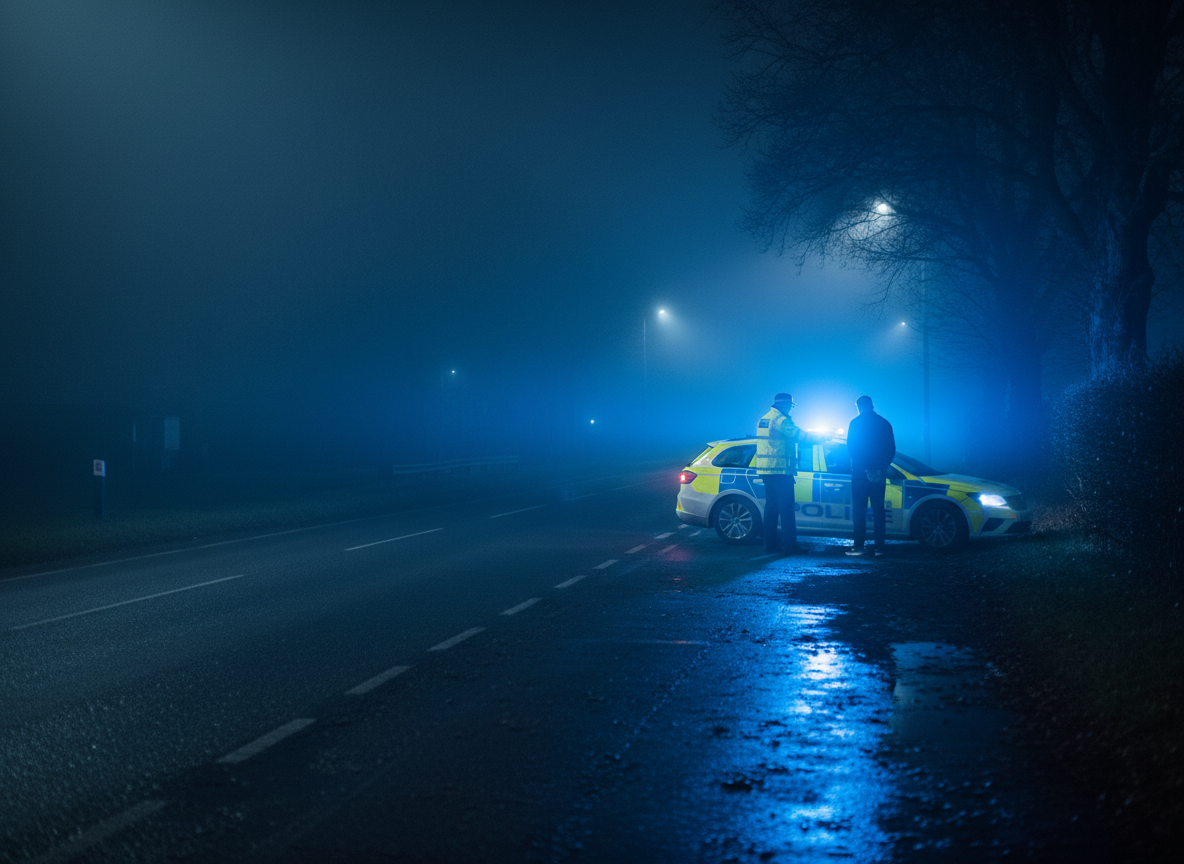
Although the technology has changed, the legal powers allowing officers to stop drivers and require a breath test remain the same.


An officer may require a breath test if they reasonably suspect:


  • you have been drinking and driving;
  • you have committed a moving traffic offence; or
  • you have been involved in a road traffic collision.


If you refuse to provide a specimen without a reasonable excuse, you may commit a separate criminal offence.


The exact operational procedure for using the new evidential roadside device has not yet been published in full. It remains to be seen whether officers will continue to complete the existing MG DD/A (Manual of Guidance for Drink and Drug Driving Procedures) documentation in the same format used during police station investigations or whether revised national procedures and documentation will be introduced specifically for roadside evidential testing.


That distinction is likely to become important in future court cases. Drink driving prosecutions rely on strict compliance with statutory requirements, Home Office approvals and procedural safeguards. As with any new technology, the courts are likely to scrutinise whether officers have followed the required process correctly.


Will This Mean More Drink Driving Prosecutions?


Very possibly.


One of the longstanding difficulties in drink driving investigations has been the delay between a positive roadside screening test and obtaining the evidential specimen at the police station. During transport, booking into custody and waiting for an available evidential machine, some driver's alcohol concentration can naturally fall with time.


By obtaining an evidential specimen almost immediately after the stop, that delay is largely removed.


The result could be:


  • more drivers being prosecuted;
  • quicker charging decisions; and
  • reduced demands on police custody suites.


Could This Increase Pressure on the Courts?


Ironically, while the technology may reduce pressure on police resources, it could increase pressure elsewhere.


The Magistrates' Courts in England and Wales already deal with significant case backlogs. If evidential roadside testing leads to more successful prosecutions, it is possible that more drink driving cases will enter the criminal justice system.


Whether this results in longer waiting times for hearings remains to be seen, but it is certainly a development that criminal practitioners will be monitoring closely. With the Crown Prosecution Service already stretched, we could see more prosecutions failing for evidential reasons. 


Will There Still Be Defences Available?


Yes.


The introduction of new technology does not remove the prosecution's obligation to prove every element of the offence beyond reasonable doubt.


Every case should still be examined carefully, including:


  • whether the approved procedure was followed correctly;
  • whether the device was properly approved, calibrated and operated;
  • whether the statutory warning was given; and
  • whether there are any issues affecting the reliability of the evidence.


As roadside evidential testing is new, it is likely that the courts will see legal arguments regarding the operation of the equipment and compliance with any new procedural guidance.

Will The Police Still Take Some People To Custody?


Yes, it is still very likely the police will take some drivers to custody, even with the new roadside breath test. Typical scenarios include:


  • When a blood test is required
  • When a driver is significantly impaired or over the legal limit. Usually officers will place drivers in a cell until they have dropped below the legal limit.
  • When the police decide to conduct an interview. As you have a right to a solicitor, this will still likely be conducted at the police station.
  • Where other offences are being investigated.


Because these developments are brand new, there are still a lot of unanswered questions at this stage.

Should You Seek Legal Advice?


If you have been arrested or charged with drink driving, obtaining specialist legal advice at an early stage can make a significant difference.


Not every drink driving case is straightforward. Procedural mistakes, evidential issues and legal defences may not always be obvious from the paperwork alone. An experienced drink driving solicitor can review the prosecution evidence, identify any weaknesses and advise you on the best course of action.


At Verida Legal, we specialise exclusively in defending motorists facing criminal driving offences throughout England and Wales. If you have been pulled over by the police, our solicitors can advise you on your rights and examine whether the correct legal procedures have been followed.


As always, our initial advice is free and given only by a specialist solicitor.  


Get Expert Representation from Verida Legal


If you are charged with drink driving:

👉 Do not go to court unprepared.


At Verida Legal, we provide:


  • Clear advice from the outset
  • Strategic case preparation
  • Specialist court representation


Speak to our solicitors directly today for immediate support and free initial advice. Call 01942 364493 or click the link below to request a call back!


Speak To A Specialist Drink Driving Solicitor

Frequently Asked Questions


Is the roadside breath test now the evidence used in court?

In Merseyside, the new Home Office-approved evidential device is designed to produce evidence capable of being relied upon in criminal proceedings. However, the precise procedure followed in each case will depend on the circumstances and the applicable operational guidance.


Do the police still need a reason to stop me?

Yes. The legal powers under the Road Traffic Act 1988 remain unchanged. Officers must still have the statutory grounds to require a breath test. Generally, however, the police have wide powers to require a sample and precedent-setting case law has limited circumstances when this would form a defence.


Can I refuse the roadside evidential test?

Refusing to provide a required specimen without a reasonable excuse may amount to a criminal offence carrying serious penalties. It is crucial that the police warn you of the consequences of failing to give an evidential sample of breath. If the police failed to do this, you would likely have a full defence. A drink driving solicitor would be able to carefully review any evidence of the procedure for you. 


Will this technology be introduced across the UK?

Merseyside Police is the first force to deploy the technology operationally. If the pilot proves successful, other police forces may adopt similar evidential roadside testing in the future.


Call For A Free Consultation

✅ Drink Driving     

✅ Drug Driving           
✅ Dangerous Driving

✅ Speeding
No Insurance       

✅ Using A Mobile       

If you are facing any driving offence, please get in touch. Our solicitors are always happy to provide you with free initial advice.

Driver Defence Solicitors for England & Wales

Quick Callback

Recent Posts

By Jack Cooper July 20, 2026
Dangerous Driving or Careless Driving? A Complete Guide To Understanding The Difference
By Jack Cooper July 15, 2026
Can the Police Suspend Your Driving Licence Immediately? Understanding the Current Law and Proposed Changes
By Jack Cooper July 13, 2026
Drug Driving Cases Continue to Rise: What Does This Mean For Drivers?
By Jack Cooper July 8, 2026
Proposed Changes to the Driving Driving Legal Limit in England and Wales
By Jack Cooper June 30, 2026
Totted Up To 12 Points: What Is Exceptional Hardship?
By Jack Cooper June 16, 2026
Defending a Drug Driving Charge: Can I Challenge The Blood Result?
By Jack Cooper June 10, 2026
Charged with Failure to Provide a Specimen: What Do I Do Now?
By Jack Cooper June 1, 2026
Charged with Drink Driving: Can You Avoid a Driving Disqualification?
May 26, 2026
Being Released Under Investigation: What You Need to Know
A professional in a suit presents in a wood-paneled courtroom, with legal professionals seated at a desk behind them.
January 14, 2026
Charged with a motoring offence? Learn why a solicitor is vital for your case. Contact Verida Legal for expert support today! Driver Defence Solicitor UK
Show More