


Totting Up: What is Exceptional Hardship?
Totted Up To 12 Points: What Is Exceptional Hardship?
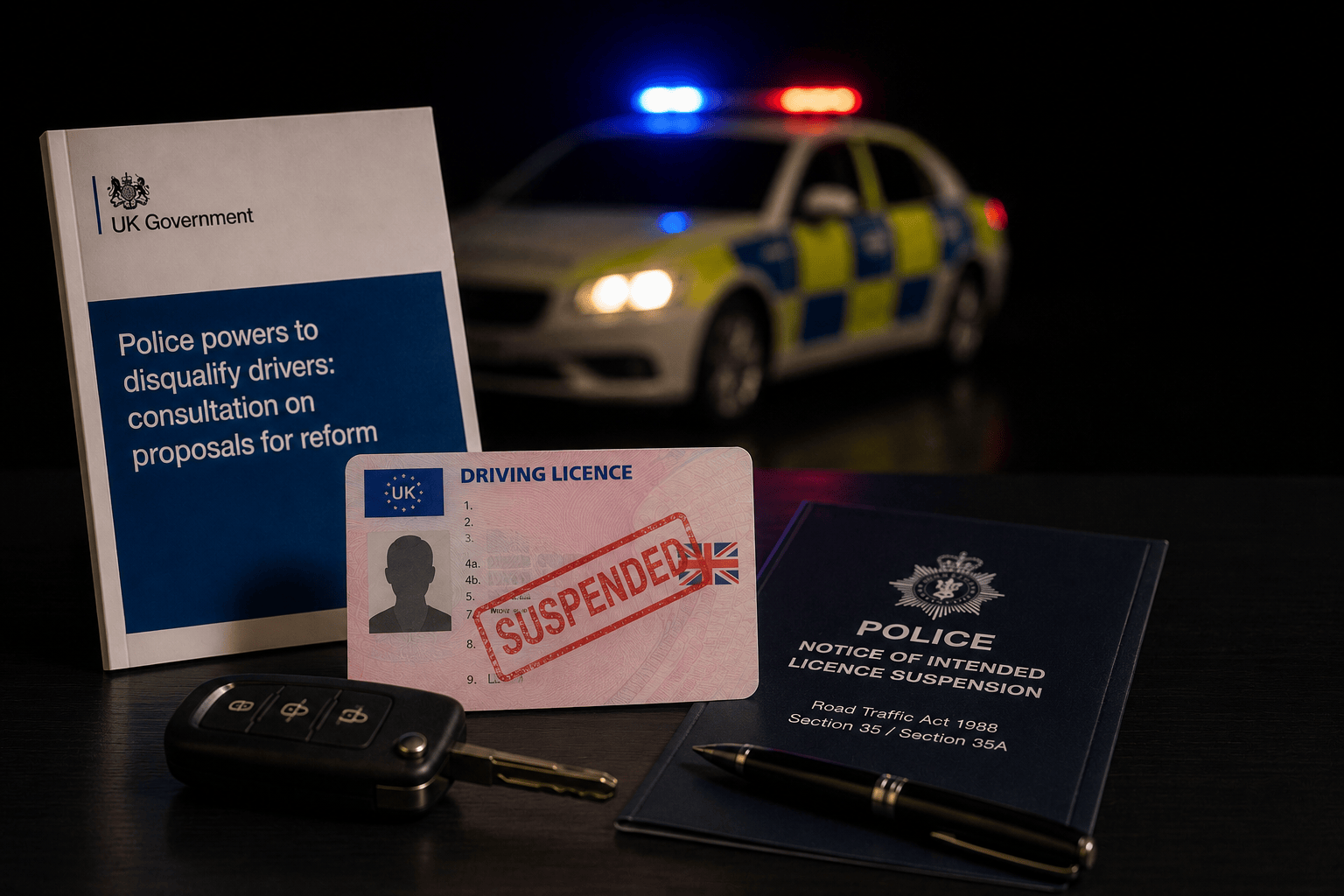
If you have accumulated penalty points on your licence, you may be facing a totting up disqualification. This usually results in a mandatory driving ban of at least 6 months. However, in some cases, it may be possible to avoid or reduce this ban by making what is known as an 'Exceptional Hardship Argument'.
What Is a Totting Up Ban?
Under the Road Traffic Act 1988, if you reach 12 or more penalty points within 3 years, you will usually be disqualified for:
- 6 months (first ban)
- 12 months (second ban)
- 2 years (third ban)
Before the end of the disqualification, you would be required to apply to the DVLA for a new driving licence.

What Is Exceptional Hardship?
Exceptional hardship is a legal argument made to the court to:
👉 Avoid or reduce a totting up disqualification
It focuses on the impact of a ban, rather than the offence itself. Examples may include:
- Loss of employment
- Impact on dependants
- Effect on vulnerable individuals
Ultimately, the court will go into a lot of detail about your circumstances. The court will expect you to have considered all possible alternatives to driving, even hiring a driver!

What Counts as “Exceptional”?
The court expects hardship — but it must be exceptional. This means:
- More than inconvenience
- More than difficulty
The argument must be:
- Well-prepared
- Supported with evidence
- Clearly presented
The Magistrates' Courts have recently received guidance about exceptional hardship arguments. Ultimately, this guidance has raised the bar of what level of proof is required by the court.
What Happens in Court?
An exceptional hardship argument is usually heard during sentencing. The process involves:
- Giving evidence under oath
- Being questioned by the prosecution
- Submissions made on your behalf (if you have a solicitor)
👉
The court will then decide whether the argument succeeds.

Why a Solicitor is Crucial
Exceptional hardship arguments are technical and fact-specific. A solicitor can:
- Prepare your evidence
- Structure your argument
- Represent you in court
👉 This can significantly improve your chances of success. A solicitor will know what the magistrates' are looking for and the level of supporting evidence needed. They will also be able to guide you through your evidence and make persuasive submissions to the court on your behalf.

Why You Should Instruct a Specialist Solicitor Early
These cases require far more input than many people realise. Early instruction allows solicitors to:
- Potentially defend the charge to avoid points (avoiding you totting up in the first place)
- Gather supporting evidence
- Prepare your argument properly
- Have a "run-through" of the hearing so you know what to expect
👉 In our experience, duty solicitors are often unavailable for exceptional hardship hearings. To avoid going to court alone, make sure you instruct your own solicitor as early as possible.
Get Expert Representation from Verida Legal
If you are charged with a penalty point offence and face a driving ban:
👉 Do not go to court unprepared.
At Verida Legal, we provide:
- Clear advice from the outset
- Strategic case preparation
- Specialist court representation
Speak to our solicitors directly today for immediate support and free initial advice. Call 01942 364493 or click the link below to request a call back!
Speak To A Specialist Exceptional Hardship Solicitor
Call For A Free Consultation
✅ Drink Driving
✅ Drug Driving
✅ Dangerous Driving
✅ Speeding
✅
No Insurance
✅ Using A Mobile
If you are facing any driving offence, please get in touch. Our solicitors are always happy to provide you with free initial advice.
Driver Defence Solicitors for England & Wales
Quick Callback
We will get back to you as soon as possible.
Please try again later.
📌 For even more helpful information, see our dedicated page on exceptional hardship: