

Drug Driving Convictions Have Overtaken Drink Driving – Why Are More Drivers Being Prosecuted?
Drug Driving Cases Continue to Rise: What Does This Mean For Drivers?
For decades, drink driving has been viewed as one of the most common criminal motoring offences in England and Wales. However, new figures suggest that the landscape is changing.
According to recently published DVLA data, drug driving endorsements have now overtaken drink driving endorsements for the first time, with 30,707 drug driving endorsements recorded in 2025, compared with 29,769 drink driving endorsements. The figures represent a 28% increase in drug driving endorsements since 2022, while drink driving endorsements have fallen over the same period. These statistics were first reported by The Times using data obtained from the DVLA through a Freedom of Information request.
At Verida Legal, these figures come as no surprise. Our solicitors have seen a noticeable increase in clients seeking advice and representation following allegations of drug driving over recent years. While drink driving remains a significant issue, an increasing proportion of our work now involves motorists accused of driving with controlled drugs above the legal limit.
Why Are Drug Driving Cases Increasing?
There is unlikely to be one single explanation, but several factors appear to have contributed.
1. The Legal Limits Are Extremely Low
One of the biggest differences between drink driving and drug driving is the way the law is drafted. For many specified controlled drugs, the legal limits are set at very low levels.
As a result, a person can commit the offence simply because the concentration of a specified drug in their blood exceeds the prescribed limit.
Unlike some people assume, the prosecution does not need to prove that your driving was affected or impaired in order to secure a conviction under section 5A of the Road Traffic Act 1988.
This often comes as a surprise to motorists, particularly those who believed they felt completely capable of driving.
2. Many Drivers Misunderstand How Long Drugs Remain in the Body
Another reason for the increase is that many people incorrectly assume that if they no longer feel the effects of a drug, they are safe to drive.
That is not necessarily the case.
Different drugs remain detectable in the bloodstream for different periods, depending on numerous factors including:
- the type of drug;
- the amount consumed;
- frequency of use;
- body composition; and
- individual metabolism.
Someone may genuinely believe they are no longer affected, but still exceed the prescribed legal limit.
3. Increased Police Enforcement
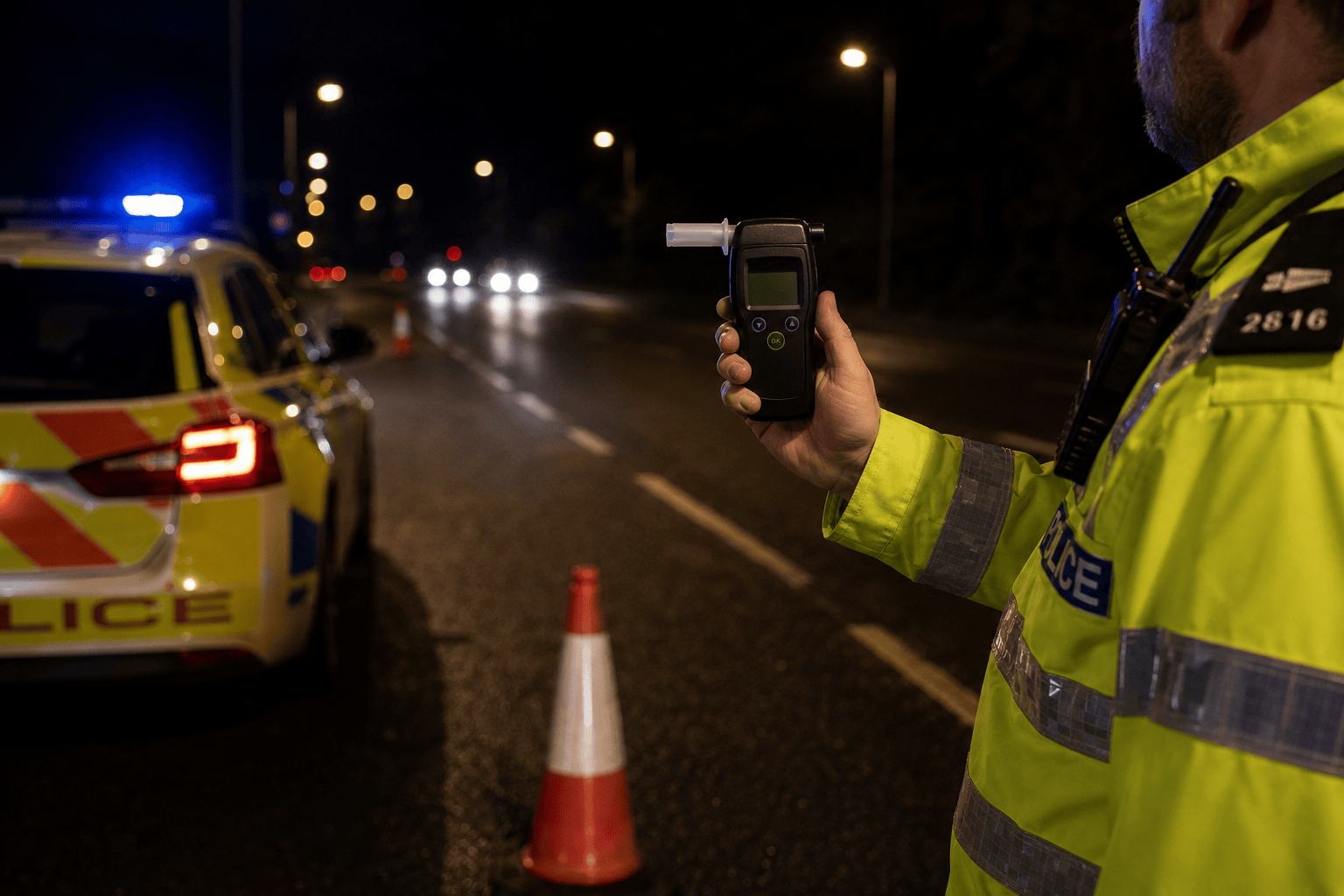
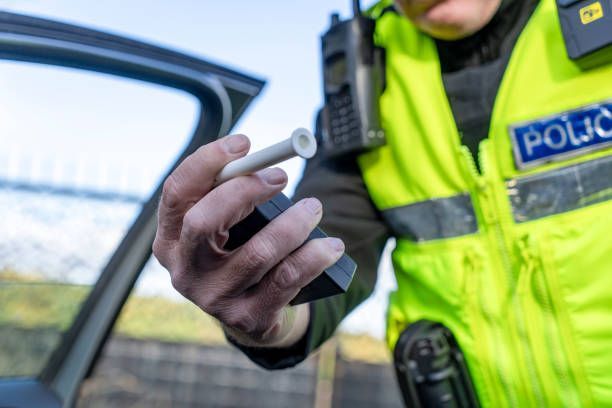
Police forces across England and Wales continue to make extensive use of roadside DrugWipe screening devices for cannabis and cocaine.
If the roadside test is positive, officers will usually require an evidential blood sample to determine whether the concentration exceeds the legal limit.
As roadside testing has become more common, it is inevitable that more offences are being detected.
Young Drivers Feature Prominently in the Statistics
The latest figures show that drivers aged 17 to 24 accounted for almost one in five drug driving endorsements, despite representing only a small proportion of all licence holders.
This highlights the importance of education around the law. Many younger motorists may not appreciate that the offence is based on exceeding a prescribed legal limit rather than proving impairment.

Does Drug Driving Mean Only Illegal Drugs?
No.
Drug driving cases frequently involve illegal substances such as cannabis or cocaine, but the law also applies to a range of prescription medications.
Certain prescription medicines have specified legal limits. However, Parliament recognised that patients may legitimately need these medications to treat medical conditions.
For that reason, the law provides a medical defence where strict legal requirements are satisfied. Whether that defence applies depends on the individual circumstances of each case and should be considered carefully by a specialist solicitor.

Every Drug Driving Case Is Different
Although the offence is often described as "strict liability", every investigation should still be examined carefully.
Issues may arise in relation to:
- the legality of the initial stop;
- the roadside procedure;
- the DrugWipe screening process;
- the taking and handling of the blood sample;
- continuity of evidence;
- laboratory analysis; and
- whether any statutory defence may apply.
Our solicitors regularly review prosecution evidence to identify procedural or evidential issues that may affect the outcome of a case.

The Consequences of a Conviction
A conviction for driving over the prescribed drug limit carries serious consequences.
The court must impose:
- a minimum 12-month driving disqualification (unless exceptional circumstances apply under the legislation);
- an unlimited fine;
- and, in the most serious cases, a custodial sentence.
A DG10 endorsement also remains on a driving record for 11 years, which can affect employment opportunities and insurance premiums long after the court proceedings have concluded.

Our Experience at Verida Legal
At Verida Legal, we have seen a clear increase in motorists requiring specialist advice after being accused of drug driving.
Many clients tell us they had no intention of breaking the law. Some had consumed cannabis the previous day, believing it had left their system. Others were taking prescribed medication and assumed that having a prescription automatically prevented prosecution.
Unfortunately, the law is considerably more complex than many people realise.
Every case should be assessed on its own facts, with careful consideration given to the evidence, the procedure followed by the police and any available legal defences.
As always, our initial advice is free and given only by a specialist solicitor.

Get Expert Representation from Verida Legal
If you are charged with drug driving:
👉 Do not go to court unprepared.
At Verida Legal, we provide:
- Clear advice from the outset
- Strategic case preparation
- Specialist court representation
Speak to our solicitors directly today for immediate support and free initial advice. Call 01942 364493 or click the link below to request a call back!
Call For A Free Consultation
✅ Drink Driving
✅ Drug Driving
✅ Dangerous Driving
✅ Speeding
✅
No Insurance
✅ Using A Mobile
If you are facing any driving offence, please get in touch. Our solicitors are always happy to provide you with free initial advice.
Driver Defence Solicitors for England & Wales
Quick Callback
We will get back to you as soon as possible.
Please try again later.
The DVLA statistics referred to in this article were reported by The Times. You can read the original article here: